OUR SERVICES
WOODWORM TREATMENT GLASGOW
Need help with Woodworm in Glasgow?
Call us today or request a survey online
Woodworm Treatment in Glasgow – What You Need to Know
Woodworm is one of the most common timber problems affecting homes and businesses across Glasgow and the West of Scotland. The term refers to the larvae of several wood-boring beetles that tunnel through timber and gradually weaken structural elements such as joists, floorboards, roof timbers, and furniture. In Glasgow, the most frequently found species include the Common Furniture Beetle (Anobium punctatum) and, in older buildings, the Deathwatch Beetle (Xestobium rufovillosum).
These insects thrive in damp, poorly ventilated environments—conditions often found in traditional Glasgow tenements, Victorian properties, and historic buildings. Once eggs are laid inside the timber, the larvae feed for several years, leaving tell-tale signs such as small round holes, fine dust (frass), weak or crumbling wood, and emerging adult beetles. Early identification and specialist treatment are essential to prevent structural damage and protect your property.
Woodworm Treatment Specialists in Glasgow
At SMPS, we provide specialist woodworm treatment in Glasgow designed to eliminate active infestations and protect your timber for decades to come. Our qualified surveyors use professional-grade identification techniques to determine the beetle species, the age of the infestation, and the extent of the damage before recommending the most effective treatment.
From targeted insecticidal treatments to full timber preservation strategies, we ensure your beams, floorboards, loft timbers, and furniture remain structurally sound. With a strong understanding of Glasgow’s climate, housing stock, and common timber issues, we deliver tailored solutions that safeguard your home or commercial property with long-lasting protection.
Whether you’re dealing with suspected woodworm, visible exit holes, or weakened timber, SMPS provides fast, reliable diagnosis and free surveys across Glasgow and surrounding areas.
What are the common signs of Woodworm in your Glasgow property?
Identifying woodworm early can save you from costly repairs and health hazards. Watch out for these common signs of woodworm:
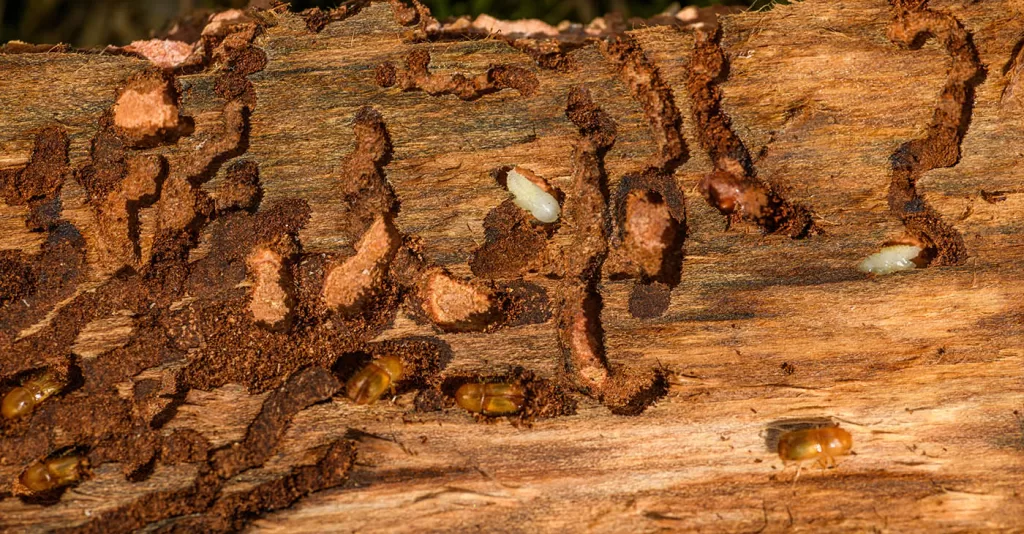
Woodworm larvae create exit holes in the timber as they emerge as adult beetles. These holes are typically small, round, and uniform in size, measuring between 2mm to 3mm in diameter. The presence of these holes is a clear indicator of woodworm activity.
Woodworm larvae often produce fine wood dust, known as frass, as they tunnel through the timber. This dust can accumulate around the exit holes or on surfaces beneath infested wood. The color and texture of the frass can vary depending on the wood-boring beetle species.
Infested timber can become weakened, making it prone to crumbling or breaking easily. Woodworm larvae create tunnels as they feed on the wood’s cellulose, compromising its structural integrity.
In some cases, woodworm activity can produce audible tapping or rustling sounds within the affected wood. This is particularly associated with the Deathwatch Beetle (Xestobium rufovillosum) and is more common in older, larger timber.
Adult wood-boring beetles emerge from the infested wood through the exit holes they create. If you see these exit holes with fresh, clean edges, it indicates recent woodworm activity.
Woodworm infestations can lead to cracks or splits in the affected timber, as the wood becomes weakened and less stable.
Infestations in floorboards or wooden furniture can cause loosening of joints and connections due to the weakening of the wood by woodworm larvae.
Sometimes, you may spot adult wood-boring beetles in and around the affected area. The type of beetle can provide clues about the specific woodworm species present.
Identifying these signs of woodworm is essential for early detection and prompt treatment. Different wood-boring beetle species may exhibit these signs to varying degrees, so it’s important to consult with professionals who can accurately identify the specific type of woodworm and recommend appropriate treatment to prevent further damage to your wooden structures and furnishings.
What Causes Woodworm in a Property?
Woodworm infestations in a property are primarily caused by wood-boring beetle larvae that feed on timber and wood-based materials. Several factors can contribute to woodworm infestations, and different types of wood-boring beetles are attracted to various conditions. Here are the common causes, along with explanations for each:
Excess moisture in timber makes it more susceptible to woodworm infestations. Damp or humid conditions can attract wood-boring beetles because they prefer to lay their eggs in moist wood. Leaking roofs, plumbing issues, or inadequate ventilation can introduce moisture and create an ideal environment for woodworm larvae.
Older timber and wood that has not been properly treated are more likely to be targeted by wood-boring beetles. Aging timber becomes more porous, providing easier access for beetle larvae to tunnel and feed.
Some wood-boring beetles have preferences for specific wood species. For example, the Common Furniture Beetle (Anobium punctatum) commonly infests softwood timber, while the Deathwatch Beetle (Xestobium rufovillosum) prefers hardwoods. The type of wood used in a property’s construction can influence the risk of woodworm infestation..
Environmental conditions, such as temperature and humidity, can influence woodworm activity. For instance, certain wood-boring beetles are more active in warmer conditions. The microclimate within a property can impact the likelihood of infestations.
Woodworm infestations often start when adult beetles lay their eggs in cracks, crevices, or existing exit holes in timber. These eggs hatch into larvae that begin to tunnel and feed on the wood, creating the characteristic exit holes and frass.
The presence of infested wood, such as old furniture or untreated timber, within a property can introduce wood-boring beetles. These beetles may spread to other wooden structures within the property.
Lack of proper wood treatment, such as preservatives or coatings, can leave timber vulnerable to woodworm infestations. Regular inspections and preventive measures can help reduce the risk.
Understanding these causes is essential for preventing and addressing woodworm infestations effectively. Identifying the specific type of wood-boring beetle and addressing the underlying factors contributing to the infestation is crucial for successful woodworm treatment and protection of wooden assets in your property.